THINKING VISUALLY -
MAKE YOUR THINKING VISIBLE
"CONNECT THE WORLD TO YOUR MIND THROUGH YOUR HANDS AND EYES"



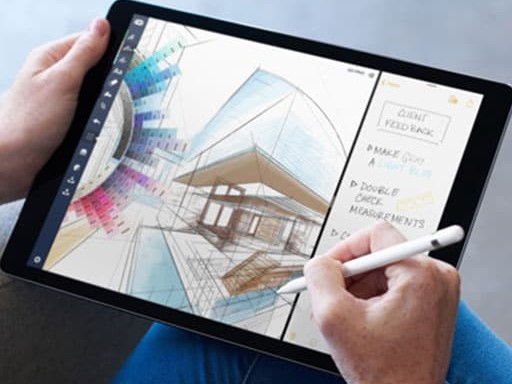
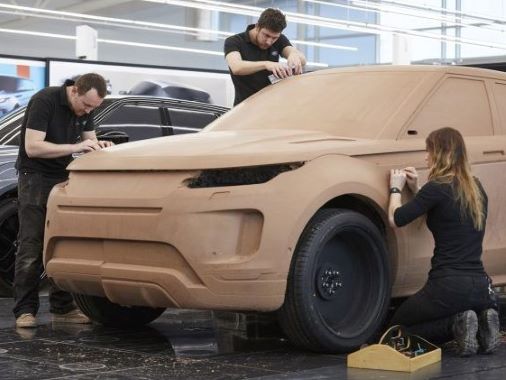

There is just no getting away from this one at all- no matter how complex our technology becomes the pencil will never become truly obsolete. From the stylus used to create cuneiform on clay tablets over 5,500 years ago to the stylus designed to write on electronic tablets, making thinking visible using a hand held writing tool is an essential human skill.
- Designers communicate by making images and models.
- Designers collaborate visually.
- Designers have to have the ability to make their thinking visible to others in everything from rough 2D scribblings to complex presentation renderings, and in 3D from rough sketch models to refined sculptural forms, 3D CAD models, and interactive models created in AR.
The use of a drawing or modelling tool connects the mind, the body, the hand, and the emerging work in an intimate, reciprocal way. The use of a manual tool also works in reverse as it has an effect on the way the designer perceives the world. The ability to physically bring into being with your body a representation of what you can visualise in your mind has a profound effect on your ability to understand and truly see the physical world around you in everyday situations. Taking photographs for research is fine as a record, taking images from the internet a very distant third best, but actually spending time with a drawing implement to analyse an object that is in front of you, and then use that information to create something new yields a much fuller analysis, a far deeper understanding, and creative work of greater depth and quality.
Designers now working in VR and AR need to move and think with their hands and bodies using the skills they originally learnt with a pencil.
No new media ever replaces or makes an old one obsolete, it simply adds new tools and a different mode of expression. When designers use CAD successfully it always follows on from hand sketching at the initial ideation stage.
Grow your Neo-Cortex through drawing NEGATIVE SPACE:
(Taken from the research of Dr. Rebecca Chamberlain- BBC Sounds "The Why Factor")
A classic and completely expected mistake that novices make when learning to draw is to draw what they know rather than what you see. So in drawing a face or a house people tend to draw a composite picture of all of the faces or houses they have seen before rather than really look and really see what is in front of them. What focusing on the negative space that surrounds the objects does is, because itis not actually an object has no meaning or memory attached to it, allows people to draw much more accurately than they would normally. This is a critical skill to practise to improve the accuracy of your drawing, and it will allow your brain to develop and retain greater skills and literally grow your brain.
And lastly:
"No sketch? No CAD!" - Always start with sketches and a rough and ready 3D model, and THEN develop those ideas with CAD, keeping your sketchbook and modelling kit close by!